SimpleDial began with one person we love deeply: our 98-year-old grandmother.
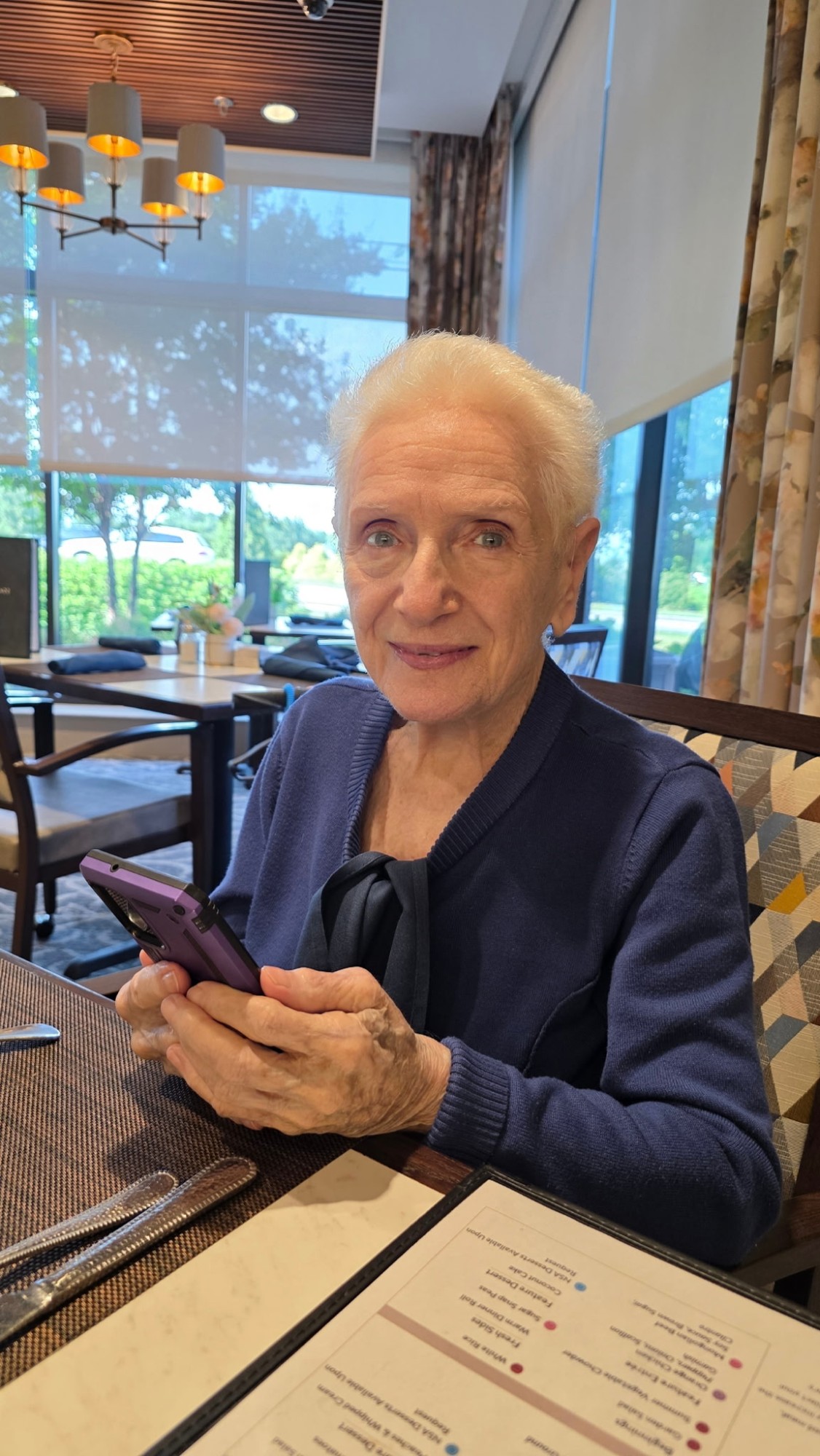
After developing a serious staph infection in her ear from her hearing aids, she faced a difficult medical situation that required her to move from New Jersey to Maryland for immediate care. The transition changed nearly everything about her daily life, including something most of us take for granted: the ability to make and receive a simple phone call.
For years, she had relied on a landline. She knew exactly what to do. Press talk. Press speakerphone. That was it.
But when she moved, the landline was gone.
Suddenly, staying connected meant using a smartphone. And for her, that was not simple. Her fingers were too weak to reliably press the side buttons through a phone case. The idea of sliding to unlock or sliding to answer a call was unfamiliar. Navigating contacts, finding a phone number, pressing call, and then switching to speakerphone was too many steps.
The problem was not her ability to communicate.
The problem was that the technology was not designed for her.
What We Built
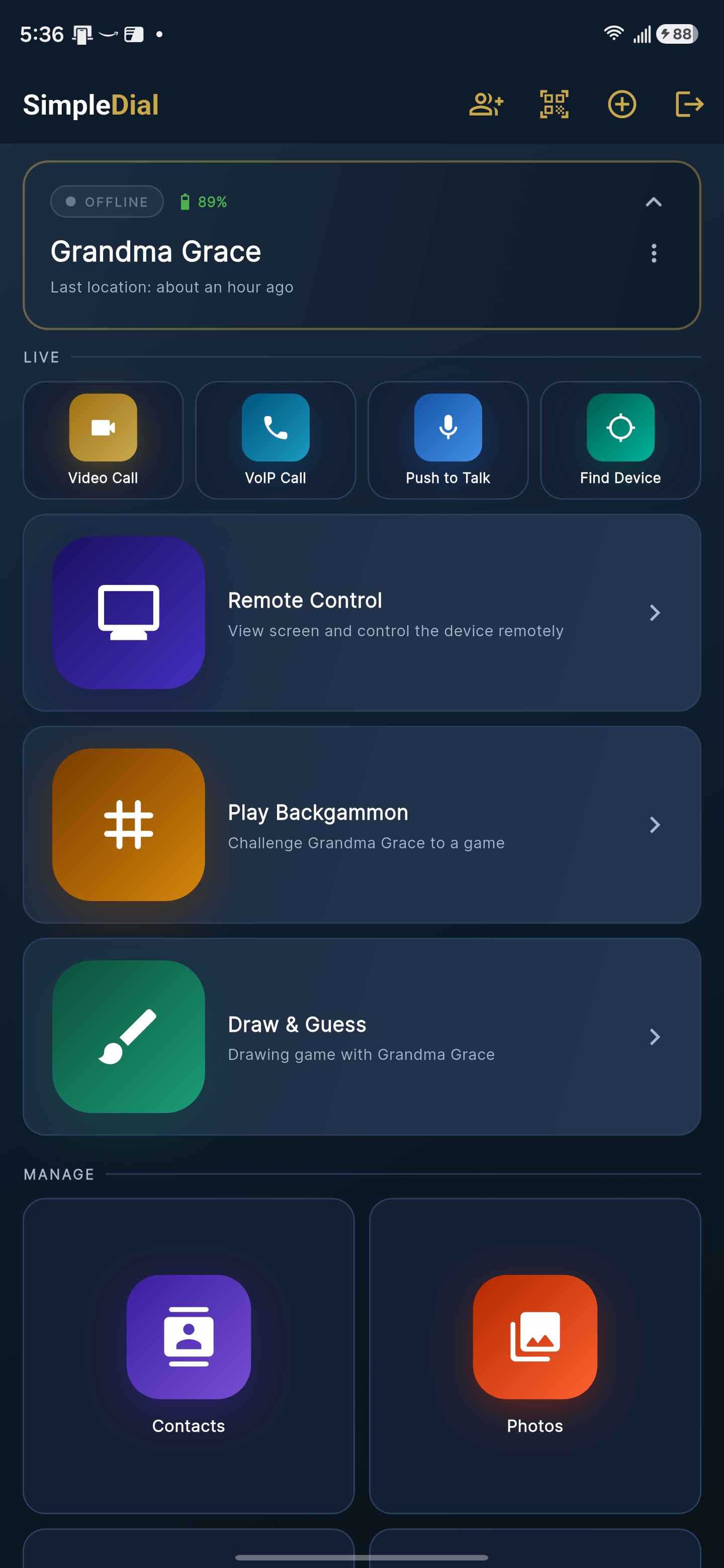
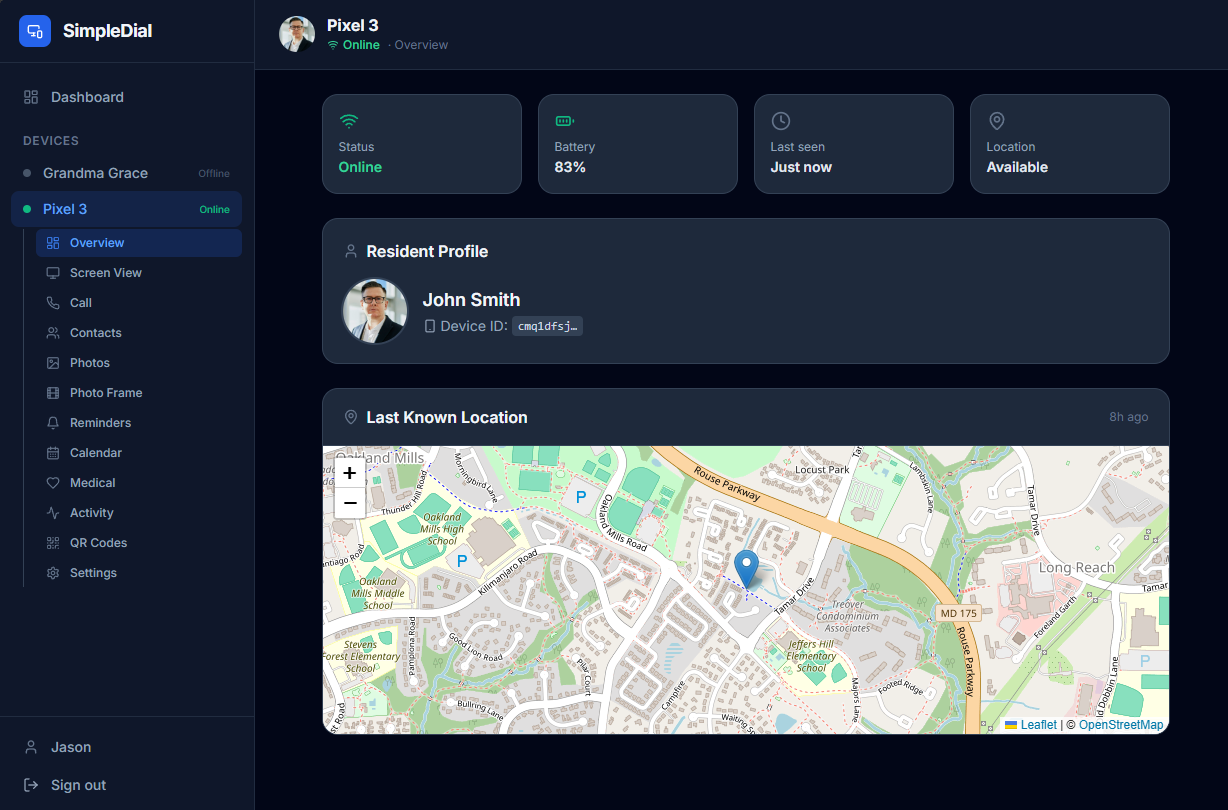
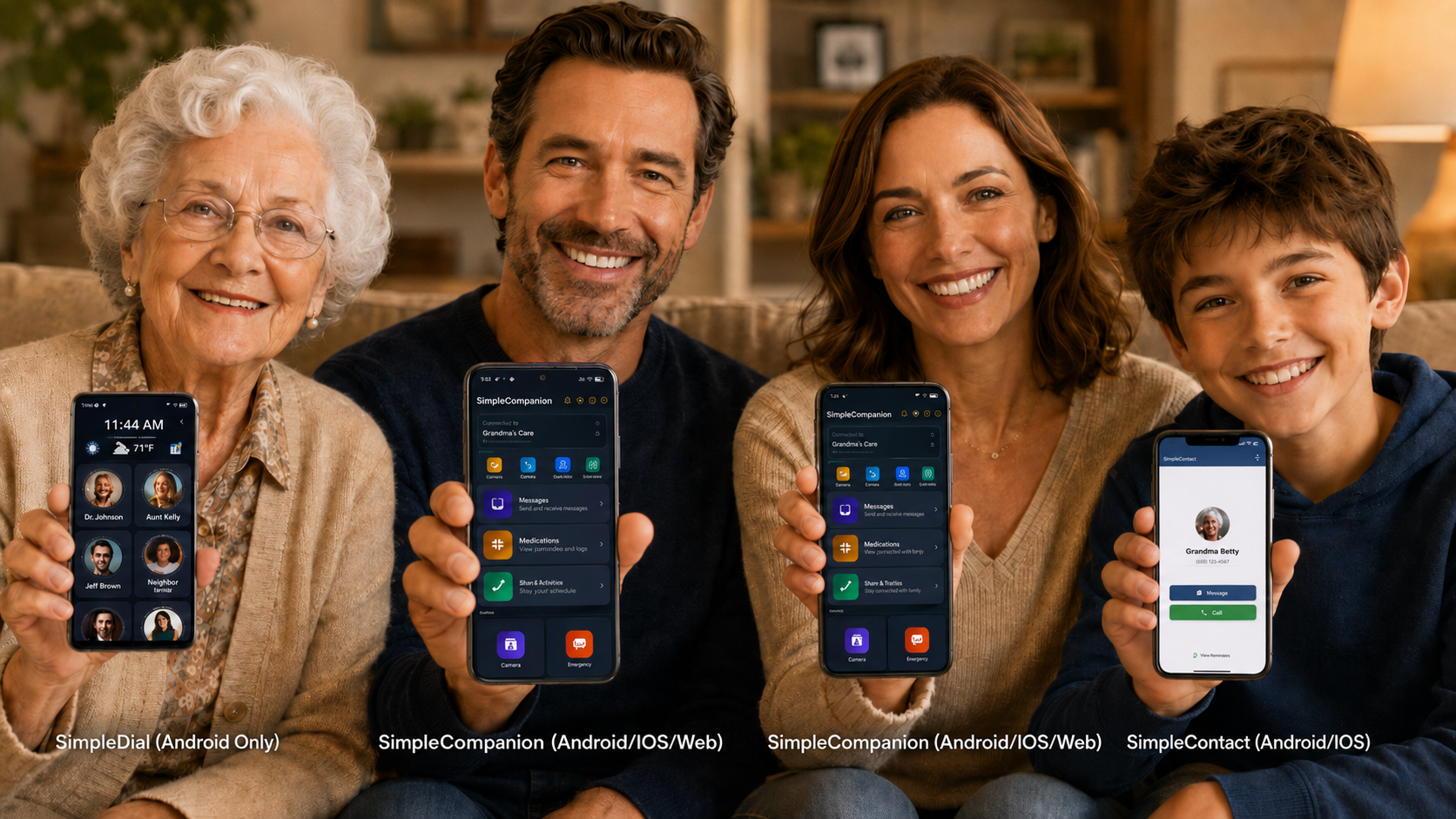
With many years of software and hardware experience, we set out to build something better. We started with an existing Android device, locked it into a secure kiosk-style experience, and created a way for family members and caregivers to remotely manage the features that matter most.
The result was SimpleDial.
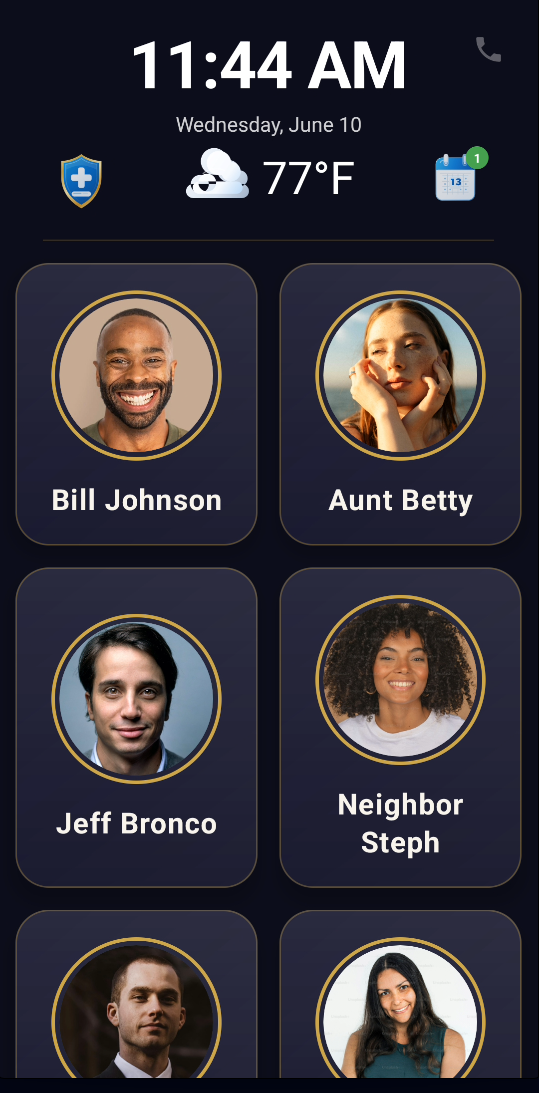
SimpleDial gives our grandmother a phone she can actually use. She can answer calls, receive pictures, read messages, listen to voice messages, join video calls, and use voice-over-IP calling with live transcription. It restores connection without asking her to learn complicated technology.
What It Means
Today, she continues to tell us how much this invention is going to change the world.
For us, SimpleDial is more than a device. It is a way to give independence, dignity, and connection back to people who should never be left behind by modern technology.